Scroll through any modern website, social feed, or brand campaign, and you’ll notice one thing immediately: movement matters. Subtle transitions, animated text, and short looping visuals have become part of how we process information online. Animation is no longer reserved for big studios or technical experts, it has become a practical, everyday communication tool.
Whether you’re telling a brand story, showcasing a product, or simply trying to stand out in a crowded digital space, motion adds clarity, emotion, and memorability in a way static content rarely can.
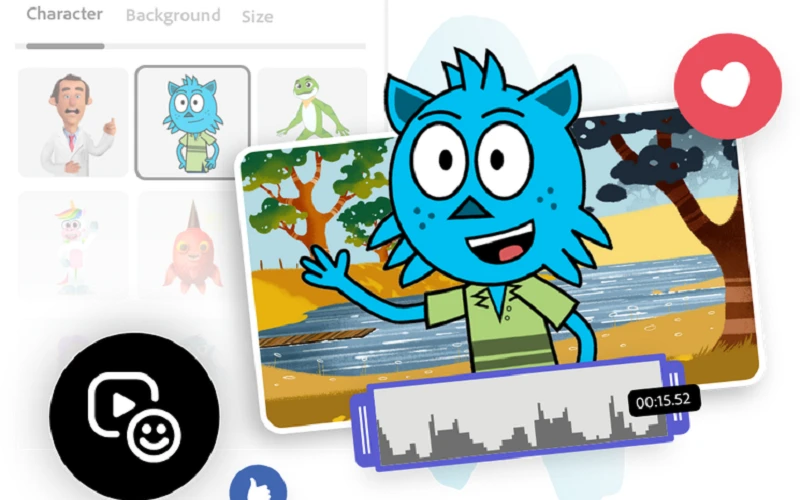
Today, you don’t need complex software or a design background to bring ideas to life. Tools such as an intuitive animation maker allow individuals and small teams to create polished animated content quickly, helping them compete visually with much larger brands while staying true to their unique voice.
Why Animation Works So Well Online
Animation taps into how people naturally consume content. Our eyes are drawn to movement before anything else, making animated elements powerful attention anchors. In a world where users decide in seconds whether to stay or scroll, animation can be the difference between being noticed and being ignored.
But attention is only part of the story. Animation also improves understanding. A short animated sequence can explain a concept, process, or style idea faster than a paragraph of text. For example, showing how to style one outfit in three different ways is far more effective as a short animation than as static images stacked on a page.
There’s also an emotional layer. Motion adds personality. The way text slides in, icons bounce gently, or images fade can subtly communicate whether a brand feels playful, premium, bold, or minimalist—an especially valuable advantage for fashion and lifestyle platforms.
From Fashion Inspiration to Motion Storytelling
Style-focused websites thrive on inspiration. Readers aren’t just looking for information; they want to feel something. Animation helps bridge that gap between inspiration and action.
Imagine a landing page that introduces seasonal trends. Instead of listing colors and fabrics, animated elements can reveal each trend one by one, creating anticipation. A fashion blog post could open with an animated title that sets the mood, or a lookbook could use gentle motion to guide readers through an outfit story.
On a platform like mystyle.it.com, animation can elevate everyday content:
- Outfit guides become dynamic visual journeys.
- Style tips feel more personal when presented with subtle motion.
- Brand collaborations gain polish and credibility through clean animated visuals.
These aren’t flashy effects for the sake of novelty—they’re strategic enhancements that improve user experience and keep readers engaged longer.
Practical Ways to Use Animation (Without Overdoing It)
One common mistake is assuming more animation equals better results. In reality, restraint is key. The most effective animated content feels natural and purposeful.
Here are a few practical, high-impact uses:
- Hero sections: A softly animated headline or background element immediately sets tone without overwhelming the page.
- Social snippets: Short animated posts often outperform static ones, especially when teasing longer content.
- Explainers: Simple motion can clarify styling steps, product benefits, or creative processes.
- Call-to-action highlights: A subtle pulse or slide-in can guide attention exactly where you want it.
The goal is always clarity and flow. If an animation distracts from the message, it’s doing the opposite of its job.
Making Animation Part of Your Content Strategy
Animation works best when it’s planned, not added as an afterthought. Before creating anything, ask a simple question: What should the viewer understand or feel after watching this?
For lifestyle and fashion brands, this might be:
- Confidence in trying a new look
- Curiosity about a trend
- Trust in a brand’s aesthetic
Once the goal is clear, animation becomes a storytelling tool rather than a decorative layer. Even small animated touches, used consistently, can strengthen brand identity over time.
It’s also worth thinking cross-platform. An animated visual created for a blog can often be reused—slightly adapted—for social media, newsletters, or digital ads. This makes animation not just creative, but efficient.
The Human Side of Motion Design
What truly sets great animation apart is that it feels human. It mirrors real-world movement, timing, and emotion. The best animated content doesn’t scream for attention; it invites viewers in.
Think of how a well-dressed person moves with confidence rather than exaggeration. Animation works the same way. Smooth transitions, thoughtful pacing, and intentional design choices signal professionalism and care—qualities audiences subconsciously trust.
For independent creators and style platforms, this human touch is often what differentiates them from generic, mass-produced content.
Final Thoughts
Animation has quietly become one of the most effective ways to communicate online, blending creativity with clarity. When used thoughtfully, it enhances storytelling, strengthens branding, and keeps audiences engaged without feeling forced or artificial. For fashion, lifestyle, and creative platforms in particular, motion offers a way to translate style into experience.
The real power of animation isn’t in complexity, it’s in intention. With the right approach, even a simple motion can transform how stories are told and how audiences connect with them.