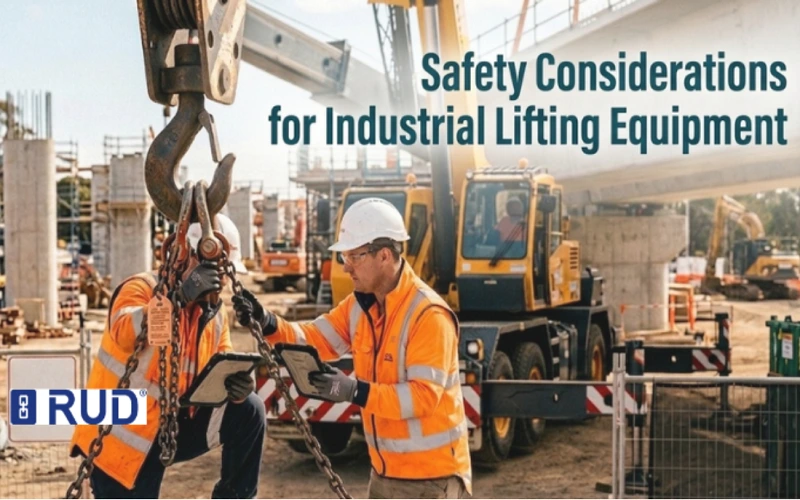
Heavy lifting equipment is essential across the Australian industry. Because Mining operations, construction sites, and manufacturing facilities all depend on hoists, cranes, and rigging to move materials properly. And when something goes wrong, it’s usually workers who pay the price (broken bones, crushed limbs, or worse).
That said, workplace safety in the lifting industry isn’t complicated. In most cases, regular checks, proper training, and timely replacements prevent accidents before they happen. That prevention starts with the right gear.
To keep worksites running properly, companies like RUD supply industrial lifting solutions designed to meet local standards. Just remember the equipment works, but only when crews follow the right safety procedures and maintenance schedules.
What Makes Heavy Vehicle Hoists a Safety Priority?
Heavy vehicle hoists must handle extreme loads without failure, so safety systems can’t be skipped or compromised. After all, Australian workplace standards are strict, and they clearly define what’s required for secure operation.
The three areas below cover what you can’t afford to ignore:
Load Capacity and Structural Limits
You can’t ignore load limits. Every hoist has a maximum safe working load that operators must never exceed. Pushing past rated capacity causes:
- Cables to snap
- Frames to buckle
- Catastrophic collapses
Weight distribution counts just as much as total load when positioning vehicles. This is exactly why engineers specify safe working limits based on Australian Standards AS 2550.1-2011 for cranes, hoists and winches safe use requirements.
Inspection Schedules That Actually Work
Regular inspection schedules catch small problems before they become expensive failures. However, these inspections and testing must follow the manufacturer’s instructions or a competent person’s specifications according to relevant technical standards. Typically, that includes monthly visual checks combined with annual professional assessments.
Beyond that, documentation from these inspections proves compliance during audits when operators skip maintenance. In short, service records ensure you’re following the right protocols.
Operator Training Requirements
Certified operators know how to spot problems and respond to emergencies correctly. In our experience across Brisbane and Ipswich industrial sites, trained crews recognise warning signs like unusual noise, slow response times, or hard hats getting too close to moving parts.
Which is why the training covers load calculations, emergency procedures, and equipment limitations in detail. Ongoing education is also important. Refresher courses keep workers updated on regulatory changes and new lifting technology as it arrives.
Electric Chain Hoists: Built-In Safety Features
Modern electric chain hoists come with automatic safety features that stop dangerous situations before they start. Manufacturers design these products with multiple protection systems built directly into the equipment.
The table below shows the main safety features and how they protect your crew:
| Safety Feature | What It Does |
| Overload Protection | Stops lifting operations when the weight exceeds the rated capacity |
| Emergency Stop Mechanism | Cuts power immediately if operators detect problems |
| Upper Limit Switch | Prevents the hook from rising too high and damaging the hoist |
| Lower Limit Switch | Stops the hook from descending past safe operating range |
Electric chain hoists rely on these features to protect workers during every lift. The overload protection system monitors weight constantly and shuts down operations before cables strain or motors burn out. And emergency stops give crews instant control when unexpected hazards appear on site.
WHS regulations require Australian worksites to use these protections to avoid workplace accidents and equipment damage. The safety mechanisms work together as a complete system, which means one feature backs up another if something fails.
Safety Tip: Keep an eye on warning lights and test each function during pre-operation checks. Proper maintenance and regular inspections keep these systems working correctly.
Pre-Operation Checks You Can’t Skip
A quick five-minute check before each lift can prevent hours of downtime and serious injuries. So, every lift begins with equipment checks before loads move.
Follow these inspection steps every single time to avoid preventable accidents:
- Visual Damage Assessment: Damaged components fail quickly when lifting operations start, so catch them early during your site inspection. Walk around the hoist and look for cracks in welds, bent hooks, or frayed cables. Also, check for oil leaks around hydraulic lines and unusual wear on chains. These kinds of issues usually appear before the equipment actually breaks.
- Control Function Testing: To know everything works properly, you must test every button, switch, and emergency stop before the first lift. Even better, run the hoist through its full range of motion without a load. The controls should respond immediately with no delays or strange noises. Meanwhile, sluggish response times mean electrical or mechanical problems that need fixing now.
- Chain and Cable Examination: Your cables need the same attention for broken strands or kinking that weakens their strength. So measure chain elongation with a gauge to ensure it hasn’t stretched beyond safe limits. Also, look for rust, twisted links, or shiny spots where metal rubs metal. If something looks worn, take the equipment out of service immediately.
These steps protect your crew and keep operations running securely. But finding issues during checks means nothing if you don’t know when the gear itself needs replacing.
When Should You Replace Lifting Gear?
Lifting gear needs replacement when it shows visible damage, fails load tests, or reaches manufacturer service limits. If these warning signs sound familiar but you’re not sure what to watch for, don’t just guess. We’ll break down each one below.
Visible Wear Indicators
Chain elongation beyond manufacturer specifications reduces the safe working load significantly. When chains stretch past their rated length, the links can’t distribute weight properly.
And just as concerning is hook damage, like throat opening or tip wear. This type of wear compromises load security. The problem compounds because the metal deforms gradually until it snaps without warning.
Load Test Failures and What They Mean
Equipment that passes visual inspection can still fail under controlled testing. After working with Australian heavy industry for over 40 years, we’ve seen gear that looked fine externally but couldn’t handle its rated capacity during testing.
Test results below rated capacity indicate structural degradation or component fatigue that you can’t spot with your eyes. This is why expert testing counts. Professional inspection identifies issues invisible during routine visual inspections and gives you the data you need for replacement decisions (so no more guessing games).
Manufacturer Service Life Recommendations
Equipment manufacturers specify retirement schedules based on usage cycles and conditions. The more you use the equipment, the faster it wears out because daily operation puts more strain on components than occasional use.
For example, a hoist lifting loads twenty times daily breaks down quicker than one used twice a week. However, following manufacturer timelines prevents failures from accumulated fatigue over time, even when the gear still looks serviceable.
Jib Cranes and Workspace Hazards
Jib cranes swing loads through wide arcs, which creates hazards that stationary gears don’t.
The rotating boom covers a large area as it moves materials across the workplace, and anything in that swing path becomes a strike zone. Most sites address this with floor markings and physical barriers that help define these danger areas so workers know where to stay clear during lifting operations.
Overhead clearance creates different challenges. Lifted loads need extra space above them for rigging height, and miscalculating this margin causes loads to hit ceiling structures, lights, or ventilation systems. Frankly, damaged infrastructure costs money, but crushing injuries cost lives.
At ground level, awareness becomes critical. Workers near jib cranes need awareness training for rotating loads and pinch points close to walls. Besides, loads rotating near fixed structures create compression hazards that trap workers between the material and the wall (which explains why so many incidents happen near walls).
Bottom Line: Safety protocols require clear communication between crane operators and ground crews, plus designated exclusion zones that keep unauthorised personnel away from active lifting areas.
Maintaining Records for Compliance
Records of equipment checks, service work, and safety tests prove due diligence during WorkSafe audits and post-incident investigations.
If an accident happens, investigators examine these records to determine whether you maintained equipment properly or cut corners. On the other hand, missing documentation creates legal issues even when you did everything right (because you can’t prove it).
Technology solves this problem. Digital systems like maintenance software and cloud-based platforms track service schedules across multiple sites, which prevents missed inspections that compromise workplace safety. The software sends reminders before inspections come due and flags overdue maintenance automatically.
This approach maintains productivity by keeping gear operational while letting compliance deadlines never slip through the cracks. Paper logbooks work too, but they’re harder to manage when you’re running operations across different locations in the Brisbane and Ipswich industrial areas like us.
Centralised record systems also help coordinate between different contractors and service providers working across your sites. When multiple teams handle maintenance, digital tracking means everyone sees the same up-to-date information about each piece’s status and history.
Keep Your Team Safe Without the Headaches
Following proper protective mechanisms stops lifting accidents before they happen. Regular inspections, proper training, and timely replacements prevent most incidents across the heavy industry. When you combine these practices with thorough documentation, you create a complete site safety system that protects workers and keeps operations compliant.
RUD Australia supplies lifting equipment and products designed for Australian industrial conditions. Our team can customise products to match your specific workplace needs, whether you’re running a mining site or a manufacturing facility.
To find the right lifting gear for your operation, contact our team or view our product range online. You can also buy direct or get a quote for equipment located at our Australian facilities.